
Contemporary researchers have realized that their traditional approach of linking mutations to the human diseases they cause may not have been the lowest-hanging fruit. In response, many geneticists have shifted their focus, instead searching for helpful mutations that prevent diseases.
Read More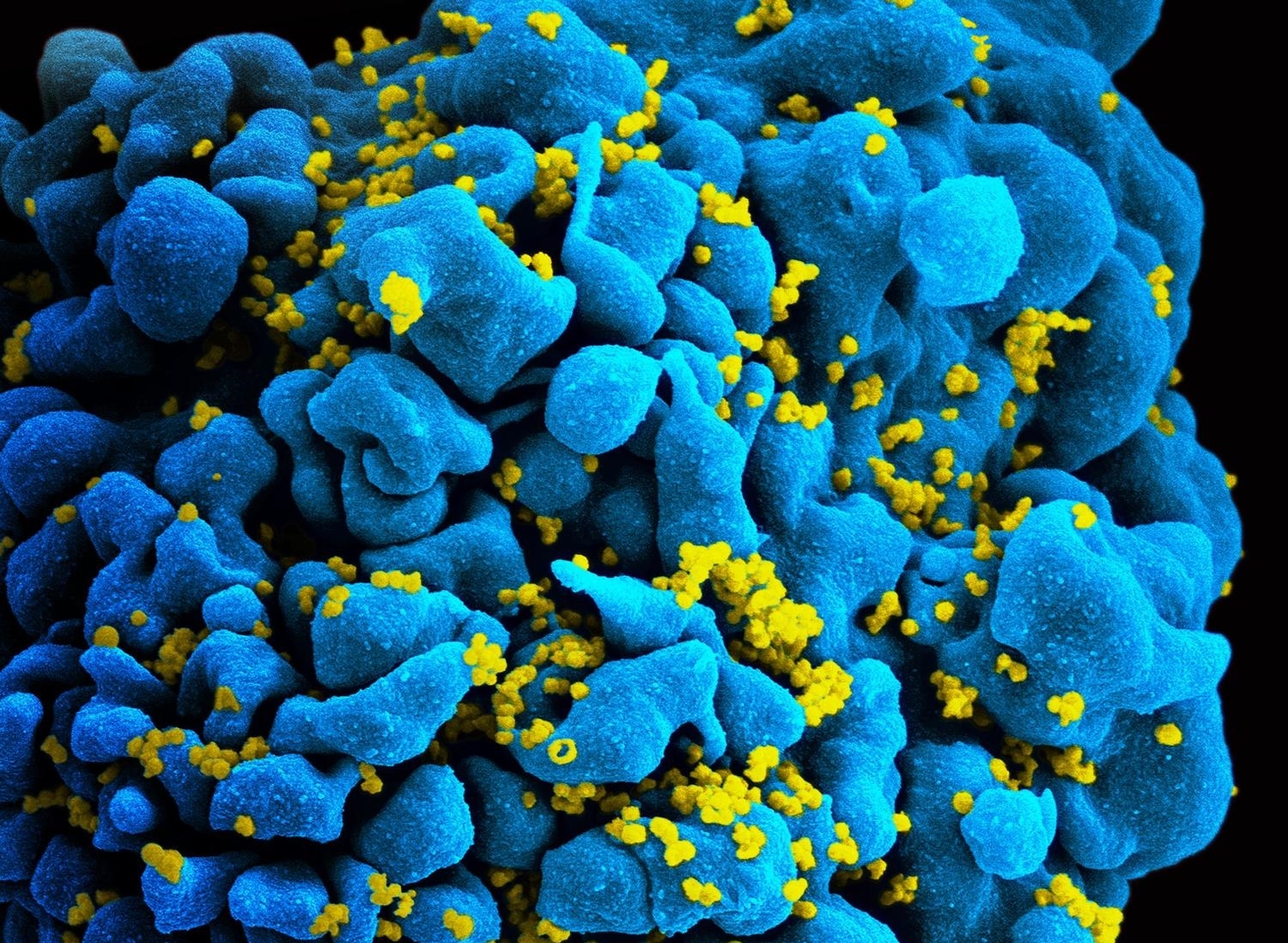
Curing humans of HIV: Is vectored immunoprophylaxis the answer?
It sounds like something straight out of a science fiction movie — use a second virus to introduce genes into an individual that reprogram cells to fight off the immunodeficiency virus. Notwithstanding the far-fetched elevator pitch, this therapeutic approach has gained a lot of traction in recent years, and many high-profile researchers actively pursue it in their laboratories.
Read More


The history of science is full of examples of discovery, both intentional and accidental. But how do scientists study subject matter incapable of being explained by simple models? And additionally, if science can produce favorable results (say, in the clinic), to what extent does it matter whether or not the results can be fully explained? Here, Siddhant Iyer outlines the ways in which scientists may study as-of-yet unexplained phenomena and argues for a framework involving the use of complex models while also acknowledging limitations.