

The rapid growth of social media apps, particularly TikTok, has led to an increased availability of mental health information. However, determining the legitimacy of such information remains a challenge. Here, Ishani Ganguly explains the benefits and risks associated with this increased accessibility of mental health resources through social media.
Read More
The Evolving Future of Plastic Waste
Plastics are ubiquitous in the modern world, with their excess usage and waste greatly contributing to climate change. Karin Isaev explains how nature has already adapted to the overabundance of environmental plastics and explores whether scientists can harness natural systems to safely reduce plastic waste.
Read More
Trauma Recovery Revolution
MDMA could revolutionize how we treat PTSD. Adrien Stanley delves into the history and potential of this fascinating field of psychiatric research.
Read More
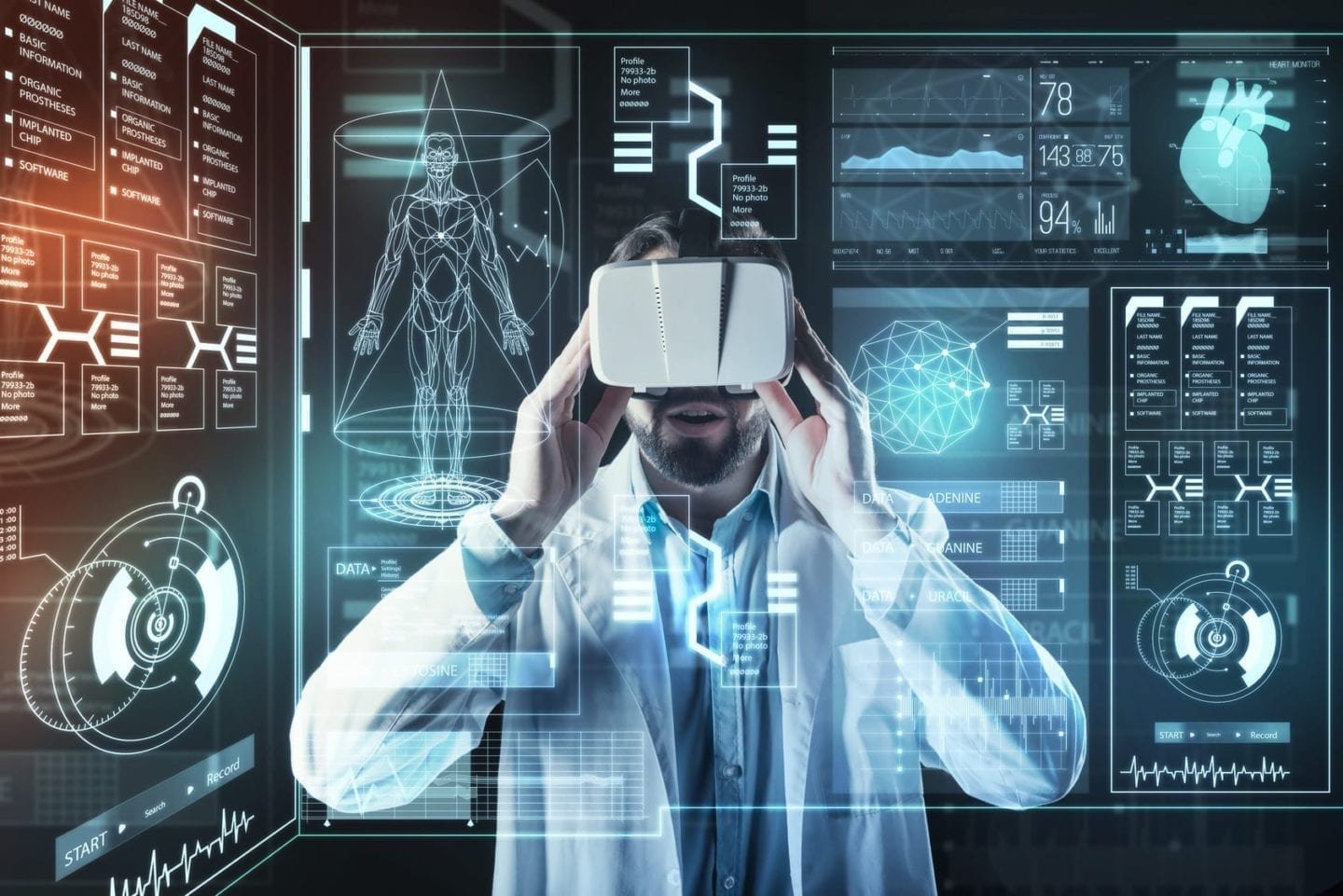

The history of science is full of examples of discovery, both intentional and accidental. But how do scientists study subject matter incapable of being explained by simple models? And additionally, if science can produce favorable results (say, in the clinic), to what extent does it matter whether or not the results can be fully explained? Here, Siddhant Iyer outlines the ways in which scientists may study as-of-yet unexplained phenomena and argues for a framework involving the use of complex models while also acknowledging limitations.