
Mental ping-pong in apes? It's not science fiction. Patricia Cooney examines how advances in neurotechnology have lead to the development of Brain Machine Interfaces (BMIs) that could transform how humans interact with the world.
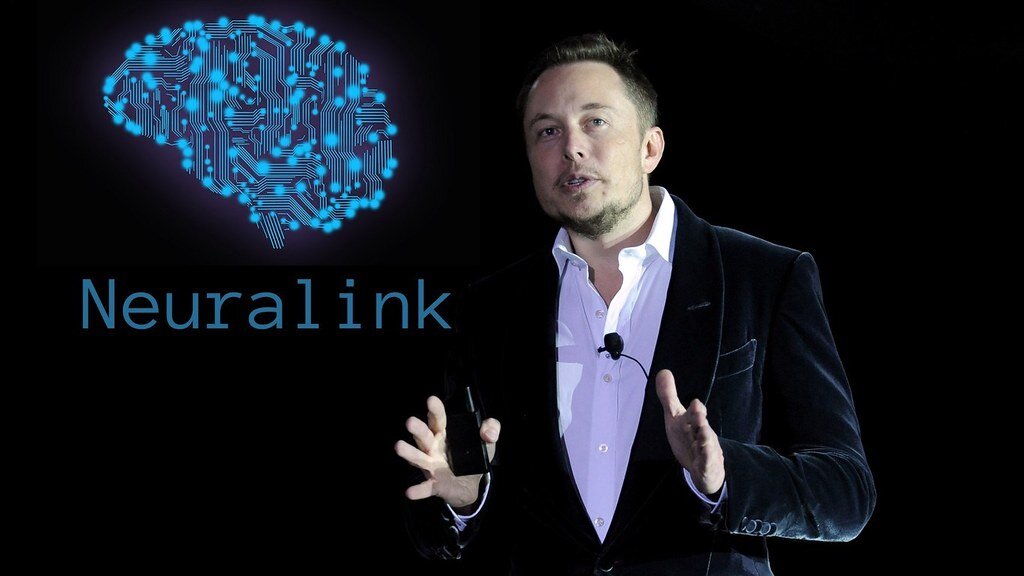
Read MoreElon Musk, founder of Neuralink, a neurotech company founded in 2016 that’s working to build cutting edge brain machine interfaces.




The history of science is full of examples of discovery, both intentional and accidental. But how do scientists study subject matter incapable of being explained by simple models? And additionally, if science can produce favorable results (say, in the clinic), to what extent does it matter whether or not the results can be fully explained? Here, Siddhant Iyer outlines the ways in which scientists may study as-of-yet unexplained phenomena and argues for a framework involving the use of complex models while also acknowledging limitations.