
As it turns out, bears are capable of uniquely regulating a protein called PTEN (phosphatase and tensin homolog), which has a role in shutting off insulin signaling (among other things). So all we have to do is turn off PTEN in people and their type 2 diabetes will go away, right? Unfortunately, it’s not quite that simple.
Read MorePhD Insights into Science and Health
We think you'd also like these:
Featured

REM sleep is widely known to be essential for mood, memory, and learning. But why is it needed in the first place? Here, Xinyue Chen details her own experiences with sleep deprivation and discusses the four key features of REM sleep in humans, explaining how a full understanding of such a critical and well known biological process remains elusive.
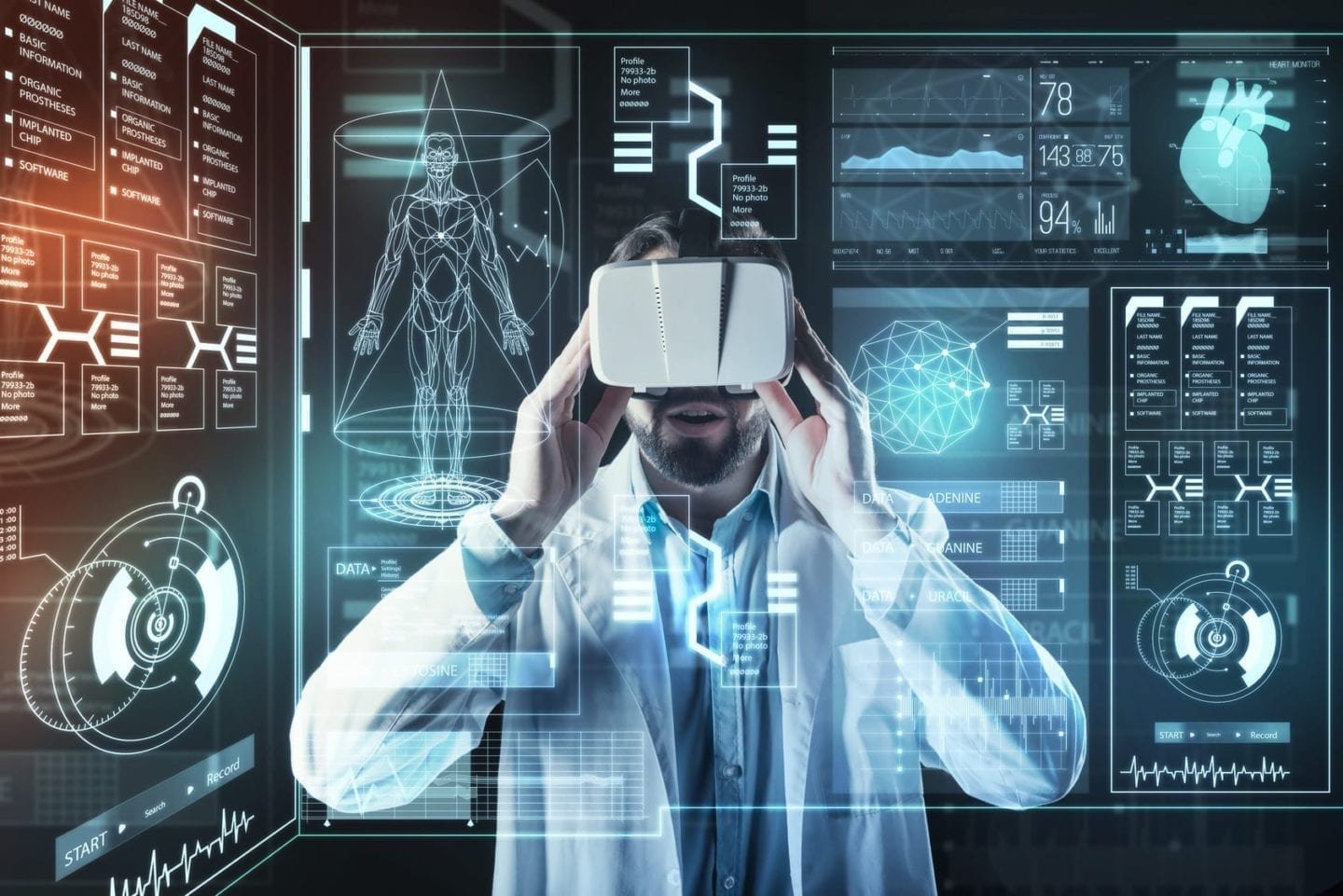
The metaverse is a concept not typically associated with the healthcare industry. However, healthcare companies are quickly beginning to invest in this technology, promising virtual hospitals and pharmacies among other benefits in the not-too-distant future. Here, Khushbu Kabra discuses the potential role the metaverse will play in future healthcare, as well as the current state of the technology and concerns that will need to be addressed.

Exposure to dogs and other animals can help to reduce stress and improve patient outcomes in hospital settings. Here, dog-owner Alec Kittredge explains how animal-assisted interventions have been used and studied for the past several decades.
The history of science is full of examples of discovery, both intentional and accidental. But how do scientists study subject matter incapable of being explained by simple models? And additionally, if science can produce favorable results (say, in the clinic), to what extent does it matter whether or not the results can be fully explained? Here, Siddhant Iyer outlines the ways in which scientists may study as-of-yet unexplained phenomena and argues for a framework involving the use of complex models while also acknowledging limitations.